100 Days on Point SVG Cactus: A Maker’s Review
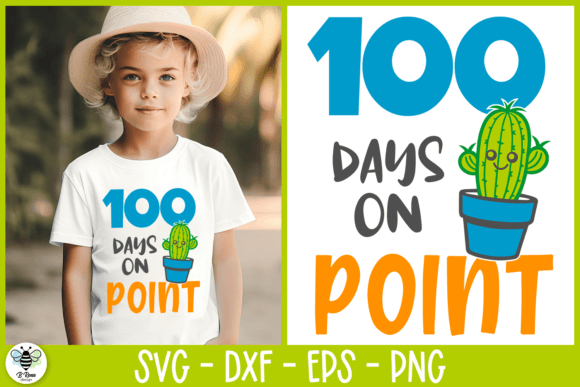
As a professional designer who bridges the gap between digital graphics and tangible textiles, I approach every new asset with a critical eye. When evaluating the 100 Days on Point SVG Cactus SVG, my first thought isn't just about how cute it looks on a screen, but how it will translate into a physical embroidery project. This design captures a specific niche in the Crafts category that is currently exploding: the celebration of academic milestones with a trendy, botanical aesthetic. The "on point" theme combined with a cactus motif suggests a playful yet structured vibe, perfect for modern school celebrations. However, as someone who has digitized and stitched countless designs, I know that a clean vector graphic requires careful interpretation before it becomes a successful machine embroidery design.
Translating Vector Lines to Stitch Reality
The product description highlights that this file is optimized for cut files like vinyl and HTV, as well as printing projects. For an embroidery specialist, this is both an opportunity and a caution flag. Vector lines are mathematically perfect; thread has thickness, tension, and texture. When I look at the 100 Days on Point SVG Cactus SVG, I see a design that likely features bold outlines and distinct shapes. In a print or vinyl application, these edges are razor-sharp. In embroidery, we must decide whether to replicate those lines with a satin stitch border or convert them to a running stitch for a sketchier, more organic feel.
If you are using this digital embroidery file as a base for digitizing, pay close attention to the cactus spines and facial details. In a graphic format, these might be thin hairlines. In embroidery, attempting to stitch single-pixel lines can result in needle breaks or fabric perforation. You may need to thicken these elements slightly during the digitizing process to ensure they hold up on fabric. Conversely, if you are using this strictly for sublimation or HTV on a shirt and adding embroidered accents elsewhere, the crispness of the original SVG is a massive advantage for creating high-contrast mixed media apparel.
Real-World Application: The Milestone Sweatshirt
To truly test the viability of this asset, let’s consider a real-life scenario relevant to many Etsy sellers and creative entrepreneurs. Imagine a client requests a custom 100th-day-of-school sweatshirt for a kindergarten class. They want something gender-neutral, durable, and photogenic for social media. The 100 Days on Point SVG Cactus SVG fits this brief perfectly because it avoids overly juvenile cartoons while maintaining age-appropriate fun.
In this sweatshirt embroidery context, the design serves as the centerpiece. Because sweatshirts are typically made of fleece or French terry, the fabric texture plays a huge role. If I were producing this, I would use the SVG as a guide to create an applique design version for the main cactus body. Appliqué reduces stitch density, keeping the garment soft and flexible rather than stiff and bulletproof. The "100 Days" text could then be embroidered in a complementary font. This hybrid approach leverages the graphic's strong silhouette while respecting the limitations of heavy knit fabrics. For a handmade product intended to be washed repeatedly by parents, this construction method ensures longevity and customer satisfaction.
Navigating Fabric Challenges and Hoop Constraints
While the cactus theme is versatile, not every substrate is a safe bet. As a reviewer, I have to be realistic about where this design might fail. If you plan to use the 100 Days on Point SVG Cactus SVG for items like caps or curved surfaces, proceed with caution. The vertical nature of a cactus combined with the horizontal spread of "100 Days" creates a wide aspect ratio. On a curved cap brim or front panel, distortion is inevitable unless you have specialized digitizing software to compensate for the curve.
Furthermore, consider the end-use of the finished product. If applying this to a baby onesie or delicate tea towel, the standard cut-file proportions might be too large or dense. Baby embroidery requires minimal stitch counts to prevent skin irritation and fabric bunching. You cannot simply resize a complex graphic down to two inches without losing detail or creating a thread nest. Always verify your hoop size capabilities against the design's natural dimensions. If the SVG contains intricate internal shading meant for print, simplify it for embroidery. Too much detail in a small space turns into a muddy blob of thread once stitched.
Commercial Value and Brand Consistency
For small shop products and boutique branding, visual consistency builds trust. The 100 Days on Point SVG Cactus SVG offers a cohesive look that can span multiple product types. An Etsy seller could use the same graphic for a printable mockup listing, a matching sticker pack, and a premium embroidered patch. This cross-platform utility increases the perceived value of the design assets. Customers recognize the style, which reinforces brand identity.
However, professionalism lies in execution. A pixel-perfect digital preview sets an expectation. If your commercial embroidery output looks jagged or poorly registered compared to the listing photo, buyer engagement drops. Use this SVG to create accurate printable mockups so customers understand what they are buying, but always include photos of actual stitched samples. This transparency manages expectations regarding the difference between digital art and textile reality. For those selling the digital file itself, clearly stating that it is optimized for cut/print and may require modification for embroidery protects you from negative reviews and supports fellow makers.
Essential Pre-Stitch Checklist for Makers
Before you commit this design to a final product or list it in your shop, run through this practical evaluation list. These steps separate hobbyists from professionals:
- Test on Scrap Fabric: Never stitch directly on a sellable item first. Test the 100 Days on Point SVG Cactus SVG translation on the exact material you intend to use to check for puckering or registration issues.
- Evaluate Stabilizer Needs: Based on the design's density derived from the SVG, select the correct backing. Stretchy knits need cut-away stabilizer; woven cottons might only need tear-away.
- Check Thread Color Contrast: Cacti are often green, but on dark green fabric, green thread disappears. Test thread colors against various backgrounds to ensure the design pops.
- Verify Licensing: Since this is a digital download, confirm the terms. Can you sell finished embroidered goods? Can you modify the file? Respecting intellectual property is non-negotiable for a sustainable craft business.
- Inspect Small Details: Zoom in to 400% on your screen. If lines merge or vanish at that magnification, they will not stitch well. Adjust stroke widths before digitizing.
- Mockup Validation: Create black and white versions of the design to test contrast independent of color. If the design relies solely on color differentiation, it may fail in monochrome embroidery.
Final Thoughts on Design Versatility
The 100 Days on Point SVG Cactus SVG represents a fantastic starting point for seasonal merchandise and personalized gifts. Its strength lies in its thematic clarity and modern aesthetic, which resonates with current trends in school celebrations. Whether you are creating a tote bag design for teachers, a nursery wall hanging, or a custom apparel line, this graphic provides a solid foundation. Just remember that in the world of Graphics applied to textiles, the file is merely the blueprint. Your expertise in selecting the right embroidery file parameters, understanding fabric behavior, and executing quality control is what transforms a digital download into a cherished keepsake. Approach this design with technical respect, and it will serve your business and your customers beautifully.