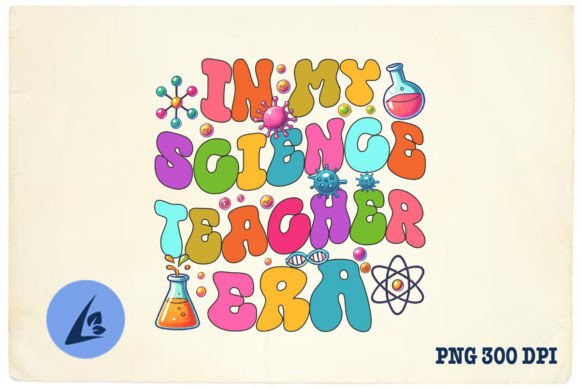
In My Science Teacher Era PNG: An Embroidery Review
As a professional embroidery designer and product reviewer, I approach every new graphic with a specific question: will this actually stitch out well, or is it just a pretty picture? When evaluating the In My Science Teacher Era PNG, my focus shifts immediately from digital aesthetics to physical application. This design captures a distinct mood that resonates deeply with educators and science enthusiasts, but translating a high-resolution PNG into a tangible machine embroidery design requires careful consideration of structure, fabric interaction, and end-use durability.
First Impressions and Visual Personality
The initial appeal of the In My Science Teacher Era PNG lies in its trendy, relatable typography combined with subtle scientific iconography. It strikes a balance between professional pride and playful nostalgia. For an Etsy seller or craft business owner, this visual personality is gold. It targets a specific niche without feeling generic. However, as a designer, I look past the screen resolution. I am analyzing line weight and negative space. The lettering appears bold enough to support a satin stitch border, while the accompanying graphics suggest they could be rendered effectively using either a fill stitch for coverage or a running stitch for a sketchy, hand-drawn aesthetic.
This design naturally belongs on items that celebrate personal identity. It does not feel like a corporate logo; it feels like a statement piece. Whether intended for a personalized gift for a retiring professor or merchandise for a school fundraiser, the layout suggests a centered, balanced composition that anchors well on garments and accessories.
Real-World Application: The Custom Sweatshirt Test
To truly evaluate this asset, I mentally placed it in a real-life production scenario: creating a custom crewneck sweatshirt for a high school chemistry teacher. Sweatshirts are a staple in custom apparel, but fleece presents unique challenges due to its texture and stretch. The In My Science Teacher Era PNG has enough visual weight to stand up against the pile of french terry or fleece fabric. Thin, wispy fonts often get lost in textured materials, but this design’s bolder elements promise better visibility.
In this scenario, I would treat this as a potential applique design opportunity. If the PNG features large block letters, converting them to appliqué can reduce stitch density significantly, making the finished product softer and less bulletproof. Alternatively, if stitching directly onto the fleece, the use of a heavy-duty stabilizer is non-negotiable to prevent puckering. For a small shop product, offering this design on both sweatshirts and matching tote bag design options creates a cohesive collection that increases average order value.
Navigating Fabric Limitations and Hoop Constraints
While versatile, the In My Science Teacher Era PNG demands respect for technical limitations. Not every surface is suitable. I advise extreme caution when attempting this design on curved surfaces like caps. Unless the graphic is specifically digitized for a cap frame with proper pull compensation, the distortion on a curved brim could ruin the legibility of the text. Similarly, stretchy performance fabrics require specialized backing; otherwise, the design may warp once removed from the hoop.
Size matters immensely. Before committing to a project, you must verify the dimensions relative to your available hoop size. Scaling down a complex PNG for a baby onesie or sleeve cuff often results in muddy details. Tiny serifs or intricate molecular structures in the artwork may need to be simplified or removed entirely to ensure clean stitching. Conversely, scaling up too large on lightweight fabrics like linen tea towels can cause tearing. Always match the design density to the fabric texture. For baby embroidery specifically, ensure the back of the design is smooth or covered to protect sensitive skin, which might influence how you interpret the PNG's fill areas.
Commercial Viability and Brand Consistency
For creative entrepreneurs, the value of a digital embroidery file extends beyond a single stitch-out. It affects brand perception. Using the In My Science Teacher Era PNG consistently across different products builds recognition. A printable mockup derived from this high-resolution source allows you to market the design before you even thread a needle. This is crucial for testing market demand.
However, professionalism hinges on execution. A poorly stabilized stitch-out on a dark garment looks amateurish. When working with dark fabrics, consider how thread colors interact with the material. High contrast is essential for readability. If the PNG includes white elements, ensure your digitizing software accounts for underlay stitches to prevent the dark fabric from showing through. For commercial embroidery projects, consistency in placement and color matching builds customer trust. Clients need to know that the tenth item they order will look identical to the first.
Critical Designer Notes for Success
Before you load this file into your machine or list it in your shop, adhere to these practical guidelines to ensure the In My Science Teacher Era PNG performs as expected:
- Verify Licensing: Confirm whether your purchase includes commercial rights for selling finished goods or if it is limited to personal use. Never assume usage rights for design assets.
- Test Stitch First: Always run a test on scrap fabric that matches your final project. Check for registration issues between outlines and fills.
- Analyze Stitch Density: If digitizing this PNG yourself, avoid excessive density. Overly dense designs cause fabric distortion and needle breaks. Adjust settings based on material weight.
- Check Small Details: Inspect the artwork for elements thinner than 1mm. These may need to be converted to running stitches or removed to prevent thread breaks.
- Mockup Testing: Create black and white versions of your embroidery project preview to check contrast. If it doesn't read clearly in grayscale, adjust your thread palette.
- Stabilizer Selection: Match stabilizer type to fabric. Use cut-away for knits and tear-away for wovens. Never skip stabilizer on stretchy custom apparel.
- Format Compatibility: Ensure you have the correct embroidery file format for your specific machine brand before starting production.
Elevating the Handmade Product
Ultimately, the In My Science Teacher Era PNG is more than just a graphic; it is a catalyst for connection. When executed correctly, it transforms a blank canvas into a meaningful handmade product. Whether you are creating a holiday embroidery gift for a favorite educator or building a seasonal inventory for your boutique, the success lies in the details. By respecting the technical requirements of embroidery and understanding the emotional resonance of the design, you elevate your work from simple decoration to professional craftsmanship.
Remember that high-resolution PNGs are excellent starting points, but they are not stitch files. The translation from pixel to thread is where your expertise as a maker shines. Take the time to refine, test, and perfect your interpretation of this design. Your customers, whether they are buying a personalized gift or browsing your Etsy shop, will appreciate the quality and intention behind every stitch. In the world of crafts and graphics, technical proficiency is what turns a trend into a timeless keepsake.