Library Assistant Librarian Svg Design Review
As a designer who bridges the gap between digital graphics and tangible textiles, I approach every new file with a specific question: will this actually stitch out well? When evaluating the Library Assistant Librarian Svg Design, my first impression is one of nostalgic charm mixed with modern versatility. While this product is listed as an instant download for cutting machines like Cricut and Silhouette, its aesthetic structure makes it a compelling candidate for adaptation into a machine embroidery design. For those of us in the craft business or running an Etsy shop, finding graphics that translate seamlessly from vinyl to thread is the holy grail of product development.
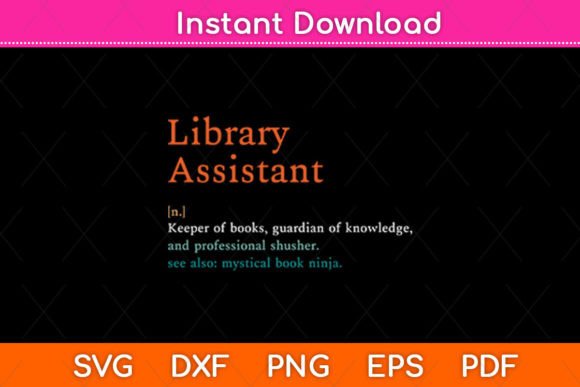
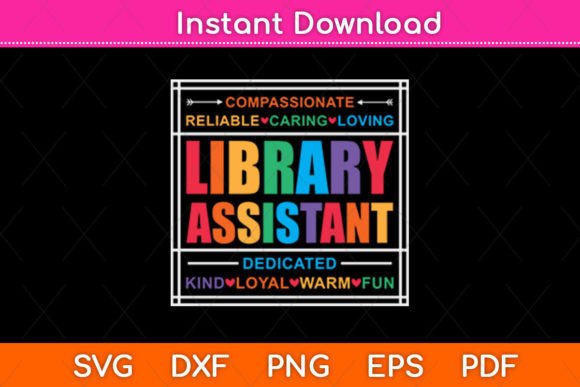
The visual personality of this design leans heavily into the "dark academia" and cozy library vibes that are currently dominating the handmade product market. It feels academic yet accessible, striking a balance that appeals to both professional librarians and book-loving hobbyists. As a graphic asset, it has clean lines and distinct shapes, which is exactly what I look for before converting a vector into an embroidery file. However, moving from a cut file to a stitched reality requires a critical eye toward detail, density, and end-use application.
Real-World Application: The Custom Tote Bag Test
To truly judge the viability of the Library Assistant Librarian Svg Design, I mentally placed it onto a canvas tote bag project intended for a local library fundraiser. Tote bags are a staple for any small shop product lineup because they offer a flat, stable surface for stitching. In this scenario, the design needs to hold up against the texture of heavy cotton canvas while remaining legible from a distance.
If adapting this for a tote bag design, I would likely utilize a combination of fill stitch for larger solid areas and satin stitch for borders or text elements. The challenge with library-themed graphics is often the inclusion of fine details like book spines or glasses frames. On a cutting machine, these are effortless. In embroidery, they require careful planning. For this specific project, I would ensure the design maintains enough open space to prevent the canvas from becoming too stiff. A dense stitch area on a lightweight tote can cause puckering, so verifying the stitch density during the digitizing phase is non-negotiable. The result, when executed correctly, is a personalized gift that feels boutique-quality rather than mass-produced.
Translating Vector Graphics to Stitched Textiles
Because the Library Assistant Librarian Svg Design originates as a graphic for cutting machines, creators must be mindful of the translation process. Vinyl relies on negative space and adhesive; embroidery relies on thread tension and fabric stability. When using this design for custom apparel like sweatshirts or t-shirts, the line weight in the original SVG serves as a guide, not a rule.
For sweatshirt embroidery, specifically on fleece or French terry, the fabric texture can swallow thin lines. If the original graphic features delicate script or thin ornamental lines, these may need to be thickened or converted to a running stitch with increased length to remain visible. Conversely, if you are creating an embroidered patch for a denim jacket or cap, the design’s bold shapes work in your favor. Patches require high density and defined edges, making this library theme ideal for merrowed-edge applications. Always remember that while the source file is digital, the finished product is physical; test your conversions on scrap fabric that matches your final substrate before committing to a full production run.
Navigating Fabric Limitations and Hoop Constraints
Not every fabric is friendly to detailed graphics, and the Library Assistant Librarian Svg Design is no exception. When planning for baby embroidery or items made from stretchy knits, caution is required. Stretchy fabrics demand proper stabilizer usage to prevent distortion. If the design contains tall, vertical elements like stacked books, they are prone to pulling or leaning if the hoop size is too large or the stabilization is insufficient.
I also advise checking the design’s performance on dark fabrics. Light thread on dark material increases contrast but also highlights any registration errors between color blocks. If the design uses multiple colors, ensure there is adequate overlap in the digitizing stage to prevent gaps. For curved surfaces like caps, avoid placing wide horizontal elements near the seam or brim. The geometry of a hat distorts flat graphics, so you may need to arc the text or reposition elements of the Library Assistant Librarian Svg Design to accommodate the curve. Understanding these limitations protects your reputation as a maker and ensures customer trust in the durability of your work.
Commercial Viability for Makers and Sellers
For Etsy sellers and creative entrepreneurs, this design offers significant commercial potential, provided it is used strategically. The "librarian" niche is passionate and underserved, often seeking merchandise that reflects their profession with wit and style. Using this design for holiday embroidery projects, such as festive reading-themed ornaments or staff appreciation gifts, can drive seasonal sales.
However, professionalism extends beyond the stitch-out. Before listing any finished product or digital embroidery file derived from this asset, confirm the licensing terms. Just because a file is compatible with Cricut or Silhouette does not automatically grant commercial embroidery rights. Clear communication regarding usage builds buyer engagement and avoids legal pitfalls. Additionally, invest time in creating accurate printable mockups. Since this is an instant download and nothing is mailed, your digital presentation is the only reference point for customers. Show the design on realistic textures—canvas, cotton, fleece—to manage expectations regarding how the graphic translates to thread.
Essential Designer Notes for Success
Before loading the Library Assistant Librarian Svg Design into your software or machine, run through this practical checklist to ensure professional results:
- Verify Compatibility: Confirm that your embroidery software can import SVG files cleanly, or use a dedicated converter to create a native embroidery format like PES or DST.
- Test Stitch Density: Run a sample on scrap fabric to check for stiffness. If the design feels like armor, reduce the fill stitch density or switch to a lighter fill pattern.
- Check Thread Colors: Compare your thread palette against the original graphic. Some screen colors do not have direct thread equivalents; choose shades that maintain the design's mood rather than exact RGB matches.
- Inspect Small Details: Zoom in to 400% in your embroidery software. Any element smaller than 1mm may need to be removed or simplified to prevent needle breaks or thread nests.
- Evaluate Stabilizer Needs: Match your stabilizer to the fabric weight. Use cut-away for knits and tear-away for stable wovens to ensure the Library Assistant Librarian Svg Design remains crisp after washing.
- Mockup Realism: Create black and white mockups alongside color versions to verify that the design relies on value contrast, not just color differentiation, for readability.
Ultimately, the Library Assistant Librarian Svg Design is a versatile asset for the modern maker. Whether you are producing custom apparel for a boutique, crafting a personalized gift for a book lover, or expanding your digital product catalog, success lies in respecting the medium. By treating this graphic not just as a picture, but as a blueprint for texture and structure, you elevate your work from simple crafting to professional textile design. Always prioritize testing and quality control, and your finished products will reflect the care and expertise that handmade customers value most.