Santa's Favorite Teacher Christmas PNG Review
As a designer who spends more time behind an embroidery machine than a computer screen, I approach every new graphic with a healthy dose of skepticism. When I first opened the Santa's Favorite Teacher Christmas PNG, I wasn't just looking at a cute holiday graphic; I was mentally digitizing it. For those of us in the Crafts and apparel decoration space, a pretty image is only half the battle. The real test is whether that image translates into clean stitches, satisfied customers, and a durable finished product. After reviewing the file assets and visualizing the stitching process, here is my practical assessment for fellow makers and shop owners.
First Impressions and Visual Personality
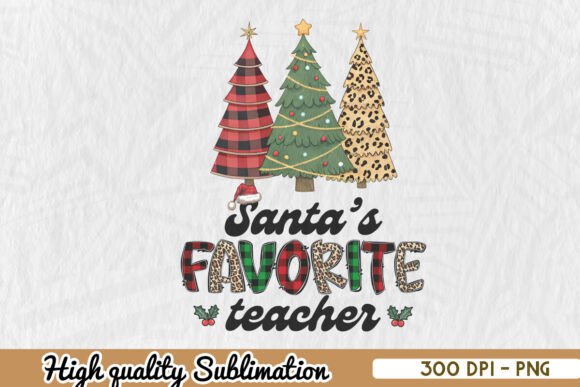
The immediate mood of this design is warm, nostalgic, and distinctly appreciative. It strikes that difficult balance between festive cheer and professional respect, making it ideal for teacher gifts without feeling juvenile. Visually, the layout suggests a centered composition that would anchor beautifully on a chest or center-back placement. As a piece of Graphics intended for print, the 300 DPI resolution at 12x12 inches is crisp, but as an embroidery reference, those clean lines are what matter most.
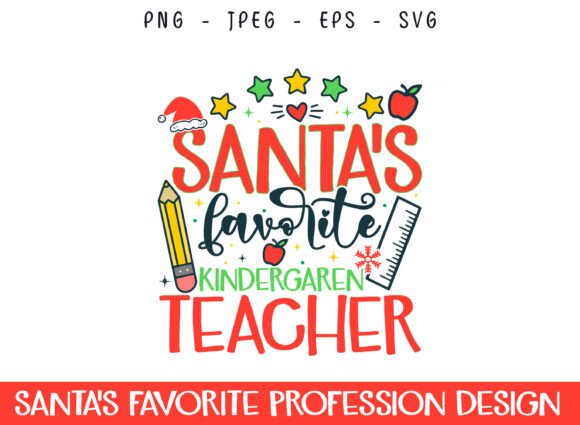
I can see this design naturally lending itself to a combination of techniques. The bold lettering implies a sturdy satin stitch or a textured fill, while any illustrative elements of Santa or school icons would likely require detailed running stitches or applique. It feels like a design that belongs on a premium crewneck sweatshirt or a high-quality canvas tote bag rather than a disposable novelty item. It has enough visual weight to stand alone as a statement piece but enough charm to work as part of a coordinated holiday collection for an Etsy shop.
Real-World Application: The Custom Sweatshirt Test
To truly evaluate this asset, I mentally ran through a recent client project: a custom embroidered sweatshirt for a local PTA fundraiser. Teachers love personalized gear, but they also demand quality. If I were using the Santa's Favorite Teacher Christmas PNG as the blueprint for this sweatshirt embroidery, my primary focus would be fabric interaction.
Fleece and French terry have texture and loft. A design with too much negative space gets lost; a design with too much density creates a bulletproof patch that pulls the garment. This graphic appears to have a balanced density distribution. For a sweatshirt project, I would likely treat the main text as a priority, ensuring the satin stitch columns are wide enough to cover the fabric nap without requiring excessive underlay that adds bulk. If the design includes smaller accent details, I would verify they are large enough to remain legible after the fabric relaxes post-hoop. This specific use case highlights why having the EPS and PDF files alongside the PNG is so valuable; vector references allow for precise scaling decisions that raster images sometimes obscure.
Navigating Fabric Limitations and Hoop Constraints
While this design is versatile, experienced embroiderers know that context dictates success. There are specific scenarios where I would advise caution when adapting this PNG into a machine embroidery design.
- Stretchy Performance Fabrics: If you plan to put this on a moisture-wicking athletic tee, be wary. Detailed graphics with multiple color changes can cause puckering on unstable knits. You would need a heavy-duty cutaway stabilizer and potentially a topping to prevent stitches from sinking.
- Curved Surfaces: On caps or curved sleeves, horizontal layouts often distort. Before committing this design to headwear, check if the aspect ratio allows for arcing or if the elements need to be separated and repositioned to accommodate the curve.
- Sheer or Lightweight Fabrics: For baby embroidery or delicate tea towels, the standard stitch density derived from a 12-inch print file might be too aggressive. You may need to manually reduce density or convert solid fills to lighter tatami patterns to prevent tearing.
- Dark Fabrics: Always test contrast. If the design relies on subtle shading present in the PNG, remember that thread doesn't blend like ink. You may need to adjust color blocks to ensure readability on navy or black garments.
Impact on Product Value and Customer Trust
In the competitive landscape of handmade products and commercial embroidery, technical execution signals value. When a customer buys a "Santa’s Favorite Teacher" item, they are buying sentiment. If the stitching is misaligned, the lettering is illegible, or the stabilizer shows through, that sentiment is cheapened.
Using a high-resolution source like this 300 DPI PNG ensures that your digitizing starting point is accurate. Clean edges in the source file translate to cleaner stitch paths. This directly affects buyer engagement and trust. When your listing photos show crisp, professional stitching that matches the digital mockup perfectly, customers feel confident in your brand consistency. Furthermore, because this file set includes transparent PNGs, creating printable mockups for your shop becomes seamless, bridging the gap between digital preview and physical reality.
Designer Notes for Successful Execution
Before you load this design into your software or send it to production, run through this practical checklist. These steps separate hobbyist results from professional-grade merchandise.
- Verify Licensing: The product description confirms utility for various products, but always double-check the specific license terms regarding commercial use versus personal use before selling finished goods or digital embroidery files.
- Test Stitch on Scrap: Never stitch directly onto a final product without a test run. Use a scrap of the exact fabric and stabilizer combination you intend to use. Check for registration issues between color layers.
- Evaluate Small Details: Zoom in on the PNG. Any element thinner than 1mm may need to be converted to a running stitch or removed entirely to prevent needle breaks and thread bunching.
- Check Color Contrast: Print the design in grayscale. If elements disappear or blend together in black and white, they will likely lack definition in thread. Adjust your thread colors to ensure distinct separation.
- Confirm Hoop Size Compatibility: While the source is 12x12 inches, ensure your target hoop size accommodates the design with adequate margin for stabilization. Resizing should be done carefully to maintain stitch integrity.
- Mockup Validation: Use the transparent PNG to create realistic mockups. Compare these against your test stitch to ensure the final product meets the visual promise made in your marketing.
Final Thoughts for Makers and Sellers
The Santa's Favorite Teacher Christmas PNG offers a strong foundation for holiday collections, provided it is treated with technical respect. Its versatility across sweaters, mugs, pillows, and apparel makes it a valuable asset for diverse product lines. However, its success in embroidery relies entirely on your willingness to adapt the graphic to the medium. Thread behaves differently than ink, and fabric behaves differently than paper.
For the Etsy seller or small business owner, this design represents an opportunity to create meaningful, personalized gifts that resonate with a specific audience. By focusing on stitch quality, appropriate fabric pairing, and professional presentation, you transform a simple digital file into a cherished keepsake. Remember that in our industry, the best designs aren't just the ones that look good on a screen—they are the ones that survive the wash, wear well over time, and bring a smile to the recipient's face long after the holidays have passed. Approach this project with patience and precision, and the results will speak for themselves.