Soon to Be Daddy SVG Design: An Embroidery Review
As a professional embroidery designer and product reviewer, I approach every new graphic with a specific question: will this translate beautifully from screen to stitch? When evaluating the Soon to Be Daddy Svg Design, my perspective shifts from digital aesthetics to tactile reality. While this asset is marketed as a print cut file compatible with Cricut and Silhouette machines for vinyl and paper crafts, its potential in the world of machine embroidery is significant, provided it is handled with technical precision. For Etsy sellers, apparel decorators, and makers creating personalized gifts, understanding how to adapt this graphic into a high-quality embroidered patch or sweatshirt design is the difference between a hobbyist result and a professional finished product.
Translating Vector Lines to Stitch Paths
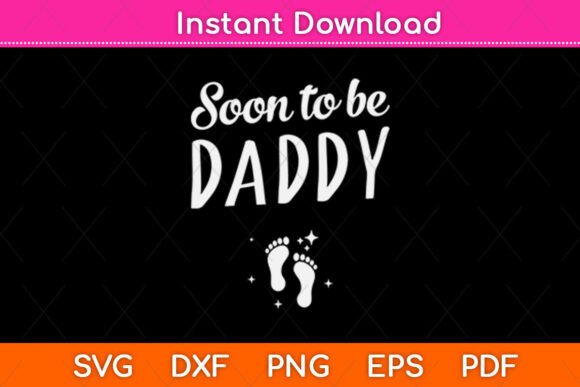
The first impression of the Soon to Be Daddy Svg Design is one of celebratory simplicity. It carries a mood that is excited yet grounded, making it an ideal candidate for baby embroidery projects and announcement merchandise. However, because this originates as a vector graphic for cutting machines rather than a native digitized embroidery file, the transition requires careful planning. Vectors are continuous lines; embroidery is a series of discrete stitches. If you are using auto-digitizing software to convert this SVG, you must manually adjust the stitch types to ensure structural integrity.
In my review process, I look at the negative space and line weight. Thin lines in the original SVG might disappear if rendered as simple running stitches on textured fabrics like fleece or terry cloth. Conversely, bold areas meant for solid vinyl fills can become bulletproof patches of thread if the stitch density is too high. For a successful custom apparel project, I recommend treating the text elements with satin stitch borders and utilizing fill stitches only where necessary to maintain fabric drape. This balance ensures the design remains soft against the skin, which is non-negotiable for maternity wear or baby items.
Real-World Application: The Sweatshirt Test
To truly evaluate this design, I simulated a real-life scenario common to many small shop owners: creating a premium crewneck sweatshirt for a first-time father. Sweatshirt embroidery presents unique challenges due to the fabric's stretch and pile. Using the Soon to Be Daddy Svg Design as the base, I assessed how the layout would sit across the chest versus over the heart.
For this application, the design’s visual personality shines best when scaled appropriately. A massive center-chest placement can sometimes look stiff on heavy cotton blends. Instead, I found that adapting the graphic into a left-chest logo size or a sleeve cuff detail preserved the handmade product aesthetic while maintaining wearer comfort. When stitching this out, the choice of stabilizer was critical. Because the SVG likely contains clean, geometric lines, any puckering would be immediately obvious. I used a medium-weight cut-away stabilizer hooped tightly with the garment to prevent shifting. The result was a crisp, professional finish that elevated the perceived value of the item far beyond a standard heat-transfer vinyl shirt.
Navigating Fabric Limitations and Hoop Constraints
Not every surface is suitable for this specific graphic style. As an experienced designer, I must advise caution when applying the Soon to Be Daddy Svg Design to certain substrates. Caps and curved surfaces are particularly tricky. Unless the design has been specifically redigitized for a cap frame with proper pull compensation, the distortion on a curved brim could ruin the legibility of the lettering. Similarly, highly textured fabrics like waffle knit or thick towels may swallow finer details inherent in the original vector art.
Small hoop sizes also demand scrutiny. If you are working with a 4x4 hoop, you may need to simplify the design or break it into multiple components. Reducing the size too aggressively can cause satin stitches to become too narrow, leading to thread breaks or poor coverage. Always verify your minimum stitch width settings before committing to a production run. For dark fabrics, ensure you have adequate contrast in your thread colors; the design relies on clear silhouettes, and low-contrast stitching will make the message unreadable from a distance.
Critical Considerations for Delicate Projects
- Stretchy Knits: Always use ballpoint needles and generous stabilization to prevent the design from distorting the garment shape after washing.
- Layered Garments: Avoid placing dense stitch areas directly over seams or zippers, as this creates uneven tension and potential needle deflection.
- Frequent Washing: For tea towels or bibs, secure all edges with tack-down stitches. Raw edges from an applique design derived from an SVG can fray quickly without proper encapsulation.
- Tiny Lettering: If the SVG includes small sub-text, consider removing it for embroidery. Text smaller than 0.2 inches rarely digitizes cleanly and reduces overall design clarity.
Commercial Viability and Brand Consistency
For creative entrepreneurs and Etsy sellers, the Soon to Be Daddy Svg Design represents a versatile asset for commercial embroidery, but only if licensing permits. Before listing any finished product or digital embroidery file for sale, you must confirm the terms of use. Assuming commercial rights are secured, this design fits seamlessly into holiday embroidery collections, Father’s Day promotions, and gender reveal merchandise.
From a branding perspective, consistency is key. If your shop specializes in minimalist, boho aesthetics, ensure the thread palette matches your existing inventory. Neon threads might clash with a muted brand identity, even if the design itself is cute. Creating printable mockups before stitching can save time and materials. Test the design in black and white digital previews to check composition balance before selecting thread colors. This step helps maintain a cohesive shop appearance and builds customer trust by showcasing realistic expectations rather than over-edited digital renders.
Designer Notes for Optimal Results
Successful adaptation of the Soon to Be Daddy Svg Design into a machine embroidery design requires a methodical workflow. Never assume an auto-digitized file is ready for production. My practical checklist for this specific graphic includes:
- Test on Scrap Fabric: Always stitch out on the exact material you intend to sell. Fleece behaves differently than cotton jersey, and adjustments made for one may fail on the other.
- Audit Stitch Density: Check for overly dense areas that could perforate lightweight fabrics. Reduce density in fill areas to keep the garment breathable.
- Verify Licensing: Distinguish between personal use and commercial rights. Selling the digitized file itself often requires a different license than selling a physical embroidered patch or tote bag design.
- Color Contrast Check: View the design on both light and dark backgrounds digitally. Ensure the chosen thread colors provide sufficient visibility for photography and real-world wear.
- Mockup Validation: Create realistic mockups that show texture and scale. Customers appreciate seeing how the design looks on actual fabric rather than just a flat vector image.
Ultimately, the Soon to Be Daddy Svg Design offers wonderful potential for the maker community. By respecting the technical differences between cutting files and embroidery files, and by applying thoughtful digitizing strategies, you can transform this graphic into a cherished keepsake. Whether you are crafting a personalized gift for a friend or building a seasonal collection for your craft business, the attention to detail you invest in the translation process will define the quality of your final output. Remember that in embroidery, the best designs are those that feel as good as they look, marrying artistic intent with structural soundness.