Retro School 3rd Grade Dalmatian Dots Review
As a professional embroidery digitizer and product reviewer, I approach every new machine embroidery design with a critical eye toward stitchability and marketability. When evaluating the Retro School 3rd Grade Dalmatian Dots graphic, my immediate focus is on how this nostalgic aesthetic translates from a digital screen to physical thread. This design captures a specific vintage charm that resonates deeply with current trends in custom apparel and personalized gifts, but its success in a real-world production environment depends entirely on technical execution and appropriate application.
First Impressions and Visual Personality
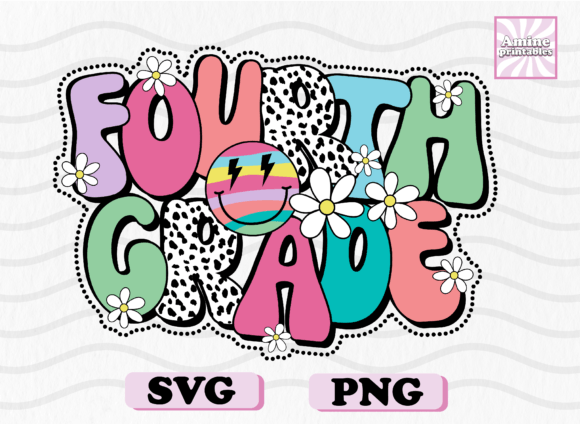
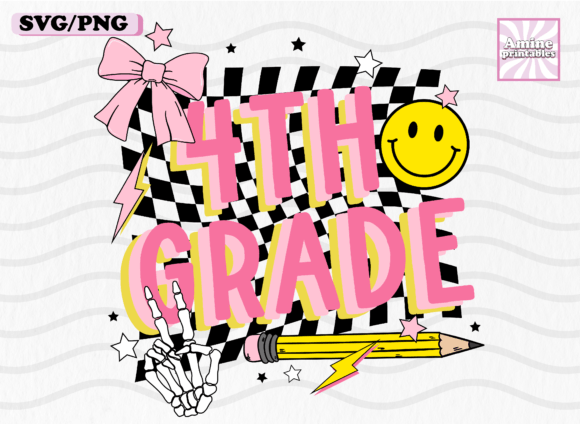
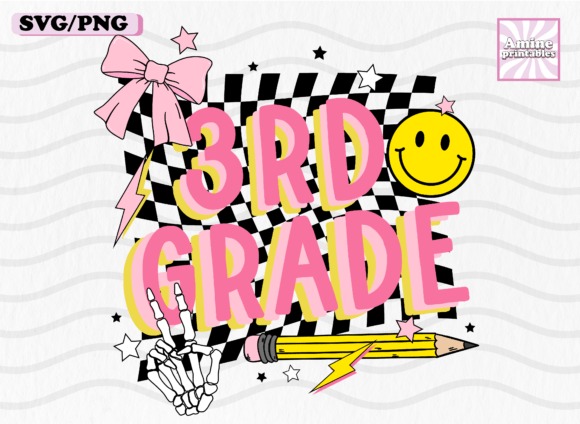
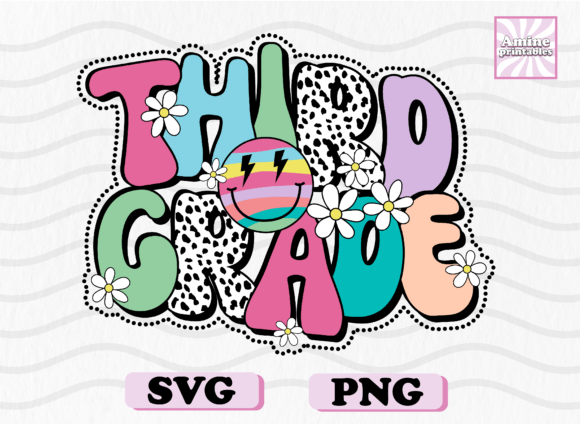
The Retro School 3rd Grade Dalmatian Dots design immediately evokes a sense of playful nostalgia. The combination of classic scholastic typography with the timeless dalmatian spot pattern creates a visual texture that feels both structured and whimsical. From a designer’s perspective, this layout suggests a balanced composition that avoids being overly dense, which is crucial for maintaining fabric integrity. The mood is distinctly retro-modern, making it an excellent candidate for Etsy seller listings targeting parents, teachers, or vintage enthusiasts. Unlike generic school graphics, the dalmatian element adds a layer of personality that elevates the perceived value of the finished product. It does not look like a standard clip-art placement; rather, it feels like a curated piece of Crafts and Graphics intended for thoughtful creation.
Real-World Application: The Custom Sweatshirt Test
To truly judge the viability of this embroidery file, I mentally placed it into a recent client scenario involving a batch of custom crewneck sweatshirts for a third-grade teacher appreciation event. In this context, the Retro School 3rd Grade Dalmatian Dots design serves as more than just decoration; it acts as a branding element for the wearer. When stitching on fleece-backed cotton, the primary concern is always puckering around detailed elements. This design’s use of negative space within the dot pattern is a significant advantage. It prevents the "bulletproof vest" effect where heavy stitching makes the garment stiff and unwearable.
For this specific sweatshirt embroidery project, the design would likely perform best as a left-chest placement or a centered yoke design. The retro font requires clean edges to remain legible, so utilizing a crisp satin stitch border or a well-defined running stitch outline is essential. If I were producing these for a small shop product line, I would pair this design with neutral base colors like cream, sage, or slate blue to allow the dalmatian contrast to pop without overwhelming the viewer. This practical application demonstrates that the design is versatile enough for both bulk commercial embroidery orders and singular personalized gift items.
Technical Considerations and Fabric Limitations
While the aesthetic is strong, experienced makers must be mindful of where this design should not be used. The intricate nature of the dalmatian spots and the potential serifs in the retro lettering require careful substrate selection. I would advise against using this digital embroidery file on highly textured fabrics like terry cloth or loose-knit sweaters unless you are using a heavy water-soluble topping. The fine details of the dots can easily get lost in the pile of a towel, resulting in a muddy appearance that diminishes the professional quality of your work.
Furthermore, when working with stretchy knits or lightweight performance fabrics, stabilizer choice becomes non-negotiable. Because the design combines text with graphical elements, any shift during the stitching process will be glaringly obvious. For a tote bag design on canvas, the stability is inherent, but for baby onesies or thin t-shirts, a cut-away stabilizer is mandatory to prevent distortion. Makers should also exercise caution with small hoop size reductions. Scaling down a design with complex internal details often leads to thread breaks and poor registration. Always verify the minimum recommended size before attempting to resize this applique design or fill-stitch graphic for smaller items like caps or pockets.
Enhancing Product Value and Customer Trust
In the competitive landscape of handmade goods, the clarity of your embroidery directly correlates to customer trust and brand consistency. A cleanly stitched Retro School 3rd Grade Dalmatian Dots motif signals professionalism. When customers see sharp lettering and distinct spot patterns without stray jumps or tension issues, they perceive the item as high-quality boutique merchandise rather than a DIY experiment. This perception allows creative entrepreneurs to command higher price points. The design’s unique retro character also aids in buyer engagement; it tells a story that generic designs cannot, making it ideal for holiday embroidery collections or back-to-school promotions.
For those selling design assets or finished goods online, presentation matters. Before listing, create a printable mockup or photograph a test stitch-out on the actual intended fabric. Digital previews can sometimes misrepresent how thread sheen interacts with matte fabric textures. Showing the tactile reality of the embroidery builds confidence in potential buyers. Whether you are creating an embroidered patch for resale or a custom apron for a local business, the visual appeal of this design relies on precise color contrast. Ensure your thread colors are distinct enough that the dalmatian dots do not blend into the background fabric, especially on darker garments where white or light grey threads are necessary for definition.
Essential Designer Notes for Success
Before committing this design to a final embroidery project, adhere to these practical protocols to ensure commercial-grade results:
- Test Stitch First: Never run this design on a final product without a test on similar scrap fabric. Check for registration issues between the text and the dot pattern.
- Verify Licensing: Confirm whether your purchase includes commercial rights for selling finished products or if it is limited to personal use. This is vital for Etsy sellers and business owners.
- Check File Compatibility: Ensure the embroidery file format matches your machine’s requirements and that the design has been properly converted if changing formats.
- Evaluate Density: Inspect the stitch density in your editing software. If the design feels too thick for lightweight baby embroidery, consider reducing density or using a lighter fill stitch type.
- Color Contrast Check: Test the design in black and white mode to ensure the values hold up without relying solely on color differentiation.
- Stabilizer Matching: Match your stabilizer weight to the fabric, not just the design. Heavy designs on light fabric need robust support.
- Mockup Validation: Use realistic mockups that reflect the actual stitch texture to avoid misleading customers about the level of detail.
Final Verdict for Makers and Sellers
The Retro School 3rd Grade Dalmatian Dots design offers a compelling blend of vintage aesthetics and modern versatility. It is particularly well-suited for craft business owners looking to expand their school-themed or pet-lover inventory with something fresh. However, its success hinges on respecting the technical limitations of machine embroidery. By paying close attention to fabric choice, stabilization, and scale, this graphic can transform ordinary blanks into desirable, high-value items. Whether you are crafting a personalized gift for a favorite teacher or building a cohesive collection for your online shop, this design provides a solid foundation for creative expression. Just remember to verify all specific technical specifications and licensing terms provided by the original creator before beginning your production run to ensure a seamless and profitable creative process.