Third Grade Retro School Girl Coquette Review
As a professional embroidery designer and product reviewer, I approach every new machine embroidery design with a critical eye. It is not enough for a graphic to look charming on a screen; it must translate beautifully into thread and fabric. When evaluating the Third Grade Retro School Girl Coquette, my immediate focus is on how this specific aesthetic intersects with technical stitch performance. This design captures a distinct nostalgic mood, blending vintage scholastic imagery with the soft, feminine details of the coquette trend. For crafters, Etsy sellers, and apparel decorators, understanding how this visual personality behaves under the needle is essential for creating high-value finished products.
Capturing the Retro Coquette Aesthetic in Thread
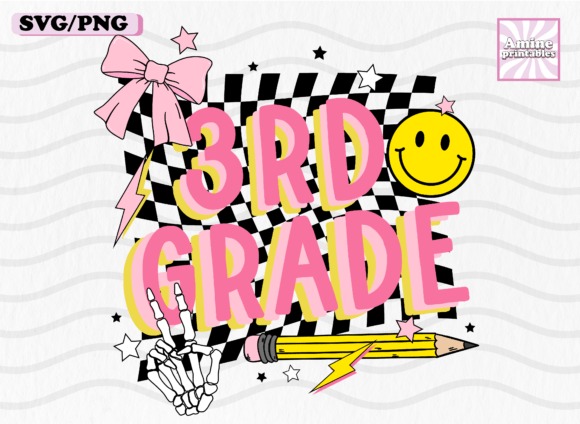
The first impression of the Third Grade Retro School Girl Coquette is one of balanced nostalgia. It avoids being overly juvenile while maintaining a playful, vintage charm that appeals to both younger audiences and adults seeking retro-inspired merchandise. From a design perspective, the layout suggests a harmonious mix of structured elements—likely reminiscent of school uniforms or classic stationery—softened by delicate bows or floral accents typical of the coquette style.
For an embroidery project, this balance is crucial. Purely rigid geometric shapes can feel stiff when stitched, while overly intricate lace details can become muddy if the stitch density is too high. This design appears to navigate that middle ground effectively. The visual weight seems appropriate for a variety of applications, from custom apparel like sweatshirts and t-shirts to smaller accessories. As a digital asset, it holds strong potential for printable mockups and stickers, but its true value lies in its adaptability as a textile embellishment. The retro color palette likely associated with this theme pairs exceptionally well with cream, navy, burgundy, and sage green threads, allowing makers to customize the mood for different seasons or boutique branding needs.
Real-World Application: Stitching a Custom Tote Bag
To truly evaluate this embroidery file, I mentally place it in a real-life production scenario. Consider preparing a custom canvas tote bag for a back-to-school collection or a personalized teacher gift. Canvas is a textured, unforgiving fabric that demands precision. If I were hooping this design for a tote bag design, my primary concern would be registration and stability.
The Third Grade Retro School Girl Coquette likely contains varying stitch types. If there are satin stitch borders outlining retro shapes, they need adequate underlay to prevent the canvas texture from poking through. Conversely, any fill stitch areas representing clothing or background elements must not be so dense that they distort the bag’s shape or cause puckering. In this scenario, I would treat this as a centerpiece design. Placing it slightly above the center of the bag ensures visibility when the tote is carried. For a handmade product intended for sale, the clarity of small details—like the curve of a bow or the serif on vintage lettering—will determine whether a customer perceives it as professional or amateur. This design’s composition seems robust enough to handle the slight shift that occurs with heavy-duty stabilizers on canvas, provided the digitizing accounts for fabric push-and-pull.
Navigating Fabric Challenges and Hoop Limitations
While versatile, this digital embroidery file requires careful consideration regarding substrate choice. Not all fabrics are created equal, and the "coquette" element often implies fine detail that can be lost on certain materials.
- Stretchy Fabrics: If applying this to a ribbed knit sweater or stretchy baby onesie, you must use a high-quality cut-away stabilizer. The retro school girl motifs may have straight lines that will warp if the fabric stretches during stitching. Always test on a scrap of the exact garment material first.
- Textured Surfaces: On terry cloth towels or fleece blankets, fine running stitch details might sink into the pile. For these baby embroidery or home decor projects, consider using a water-soluble topping to keep the stitches crisp and visible.
- Small Hoop Sizes: Be cautious when resizing this design down for 4x4 hoops or cap frames. Reducing a complex retro design by more than 20% can cause satin stitches to become too narrow to form properly, leading to thread breaks or fraying. Check the minimum recommended size before attempting to shrink it for sleeve cuffs or hat fronts.
- Dark Fabrics: The retro aesthetic often relies on contrast. If stitching on black or navy denim, ensure your thread colors provide sufficient pop. Light pastel coquette accents may require a white underlay base to prevent the dark fabric from showing through lighter threads.
Elevating Product Value and Brand Consistency
For Etsy sellers and small business owners, the Third Grade Retro School Girl Coquette offers significant commercial potential. However, market saturation means your execution must be flawless. This design bridges two popular niches: vintage academia and soft girl aesthetics. Leveraging this crossover can improve buyer engagement and search visibility.
When used in commercial embroidery, consistency builds trust. If you offer this design across multiple products—matching sweatshirt embroidery, embroidered patches, and mug decals—the visual identity must remain cohesive. Ensure your thread color chart remains consistent across all items. A "retro red" on a shirt should match the "retro red" on a matching scrunchie or card. Furthermore, because this design is suitable for stickers, cards, and frame artwork as well as textiles, it serves as excellent cross-platform branding. You can create physical goods and complementary digital stationery assets, maximizing the return on your design investment. Customers appreciate this level of curated detail; it signals a professional brand rather than a hobbyist experiment.
Essential Designer Notes Before You Stitch
Before loading this embroidery file into your machine for a client order or shop stock, run through this practical checklist. These steps separate successful finished products from costly mistakes.
- Verify Specifications: Since specific stitch counts and hoop sizes are not universally standardized, always open the file in your editing software or machine preview first. Confirm the dimensions fit your intended project area with adequate margin for hoop clearance.
- Test Stitch Out: Never skip the test run, especially for detailed retro graphics. Use a fabric weight similar to your final project. Inspect the alignment of overlapping elements and the tension of decorative stitches.
- Stabilizer Selection: Match your backing to the fabric, not just the design. Woven fabrics generally need tear-away, while knits and stretch materials require cut-away. For the delicate coquette elements, a light mesh cut-away often provides support without adding bulk.
- Thread Contrast Check: View your thread selection in natural lighting. Retro palettes can sometimes look muddy indoors. Ensure the distinction between the school girl figure and the coquette accents is clear at a glance.
- Licensing Confirmation: Before selling items featuring this design or distributing the file itself, review the license terms explicitly. Confirm whether you have rights for commercial end-products, digital resale, or modification. Protecting your business starts with respecting intellectual property.
- Mockup Validation: Create realistic mockups before listing. Because this design works for phone cases, tumblers, and apparel, show customers exactly how it scales on each item. Accurate representation reduces returns and increases satisfaction.
The Third Grade Retro School Girl Coquette represents a thoughtful intersection of trend and tradition. By approaching it with technical diligence and creative intention, makers can transform this graphic into tangible, cherished goods. Whether you are crafting a personalized gift for a student, launching a fall boutique collection, or expanding your digital asset library, success lies in respecting the relationship between the digital file and the physical medium. Take the time to test, adjust, and refine, and this design will undoubtedly become a staple in your creative repertoire.