First Grade School Girl Pencil Teacher Design Review
As a professional embroidery digitizer and product reviewer, I approach every new machine embroidery design with a critical eye toward stitchability and marketability. When evaluating the First Grade School Girl Pencil Teacher graphic, my immediate focus is on how this digital asset translates from screen to fabric. This design captures a specific nostalgic academic aesthetic that resonates deeply with parents, educators, and back-to-school shoppers. However, visual appeal on a monitor does not always guarantee a clean stitch-out on textured cotton or performance knit. My assessment below breaks down the practical realities of using this design for commercial and personal projects, ensuring your finished products meet professional standards.
Evaluating Visual Hierarchy and Stitch Translation
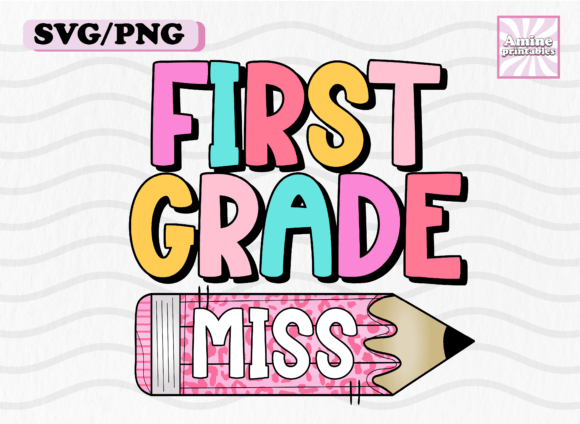
The first impression of the First Grade School Girl Pencil Teacher design is one of structured whimsy. It balances the rigid geometry of school supplies with the softer, organic lines associated with childhood illustration. For an embroidery project, this balance is crucial. Designs that are too geometric can look stiff and industrial, while those that are overly sketchy can result in messy registration issues. This artwork appears to sit comfortably in the middle ground, making it a strong candidate for both applique design work and traditional fill stitching.
From a digitizing perspective, the pencil elements likely require crisp satin stitch borders to maintain definition. If you are purchasing this as a pre-digitized embroidery file, inspect the satin column width. Pencils are narrow; if the satin stitch is too wide, it risks tunneling or pulling the fabric. Conversely, if the design relies heavily on fill stitch for the girl’s dress or hair, check the stitch direction. Proper stitch angle is what gives embroidery its sheen and texture. A flat, monotonous fill will make the character look lifeless, whereas varied stitch angles will add depth and professional polish to the final handmade product.
Real-World Application: The Custom Sweatshirt Test
To truly understand the value of this graphic, I mentally placed it into a real-life production scenario: creating a custom crewneck sweatshirt for a first-grade teacher appreciation gift. Sweatshirts are a staple for Etsy seller shops and small shop product lines during the autumn season, but fleece presents unique challenges due to its pile and stretch.
In this scenario, the First Grade School Girl Pencil Teacher design serves as a central chest placement. The mood is warm and celebratory, perfect for a personalized gift. However, because fleece is unstable, I would immediately recommend using a heavy-weight cutaway stabilizer rather than tear-away. The design’s detail level suggests it has enough substance to hold up against the fabric texture, provided the stitch density is adequate. If the density is too low, the fleece will poke through, ruining the visual clarity. If it is too high, the sweatshirt will become bulletproof and uncomfortable. This design seems optimized for medium-weight garments, making it ideal for sweatshirt embroidery and tote bag design applications where stability is easier to manage than on thin knits.
Navigating Fabric Limitations and Hoop Constraints
While versatile, this design requires careful consideration regarding substrate selection. Not every digital embroidery file performs equally across all materials. Based on the intricate nature of school-themed graphics, here are specific cautions for using First Grade School Girl Pencil Teacher:
- Textured Fabrics: Avoid terry cloth or high-pile towels unless you use a water-soluble topping. The fine details of the pencil lead or facial features will get lost in the loops.
- Stretchy Performance Wear: If applying this to moisture-wicking athletic gear, ensure the design includes sufficient underlay. Without proper anchoring stitches, the design may distort when the garment is worn or washed.
- Small Hoop Sizes: Verify the dimensions before purchasing. Intricate schoolgirl illustrations often contain small text or tiny accessories. Scaling this design down to fit a 4x4 hoop may render these elements unrecognizable or cause thread breaks.
- Dark Fabrics: Check the color palette. If the design uses light pastels without a white underlay base, stitching directly onto navy or black fabric will result in muddy colors. You may need to add a knockdown stitch or adjust thread colors manually.
- Curved Surfaces: Be cautious when hooping caps. The vertical orientation of pencils and the horizontal span of a schoolgirl figure can be difficult to align on a curved cap frame. Flat items like aprons or pillow covers are safer bets.
Commercial Viability for Makers and Sellers
For the craft business owner, time is money. The First Grade School Girl Pencil Teacher graphic offers excellent potential for batch production because of its broad demographic appeal. It fits seamlessly into back-to-school collections, teacher appreciation weeks, and first-day-of-school milestones. As a commercial embroidery asset, its strength lies in its recognizability. Customers instantly understand the theme without needing explanation, which reduces friction in sales conversations.
However, professionalism dictates that you verify licensing. Before listing any finished product or selling design assets derived from this file, confirm whether your purchase includes commercial rights for physical goods versus digital redistribution. Additionally, consider how this design pairs with others in your catalog. Does it match the style of your existing holiday embroidery or baby embroidery collections? Brand consistency builds trust. If your shop specializes in minimalist line art, this detailed illustrative style might feel out of place. But if your brand celebrates colorful, narrative-driven crafts, this is a valuable addition.
Essential Pre-Production Checklist
Never run a new design on a customer’s garment without validation. Even high-quality graphics can behave unpredictably depending on your machine tension and needle choice. Follow this protocol before committing First Grade School Girl Pencil Teacher to inventory:
- Stitch-Out Test: Run the design on scrap fabric that matches your intended production material. Measure the final size to ensure it hasn't shrunk or expanded during stitching.
- Contrast Check: View the test stitch-out in natural light. Do the skin tones blend into the background? Is the pencil graphite distinct from the dress color? Adjust thread colors if contrast is insufficient.
- Mockup Validation: Create a printable mockup or digital preview using the actual stitch file, not just the source image. This helps identify spacing issues that aren't visible in static JPEGs.
- Wash Test: If producing items for children or kitchen use, wash and dry the sample. Check for puckering, thread pulls, or color bleeding. Durability is non-negotiable for custom apparel.
- Needle Selection: For detailed areas, consider switching to a smaller needle (70/10 or 75/11) to reduce perforation damage, especially on lighter weight fabrics.
Final Thoughts on Design Integrity
The First Grade School Girl Pencil Teacher represents a charming intersection of education and nostalgia, perfectly suited for the current maker market. Its suitability for t-shirts, stickers, cards, frame artwork, phone cases, bags, mugs, and tumblers makes it a versatile asset for diverse product lines. Yet, versatility should never replace technical diligence. Whether you are creating an embroidered patch for a backpack or a framed keepsake for a retiring educator, success depends on respecting the relationship between the digital file and the physical medium.
By approaching this design with a tester’s mindset—evaluating density, stabilizer compatibility, and end-use durability—you elevate your work above generic mass production. You demonstrate to your customers that your handmade product is crafted with intention and expertise. Always review the specific file attributes provided by the digitizer, as stitch counts and formats vary. When executed correctly, this design has the power to turn simple textiles into cherished memories, validating both your artistic vision and your business acumen.