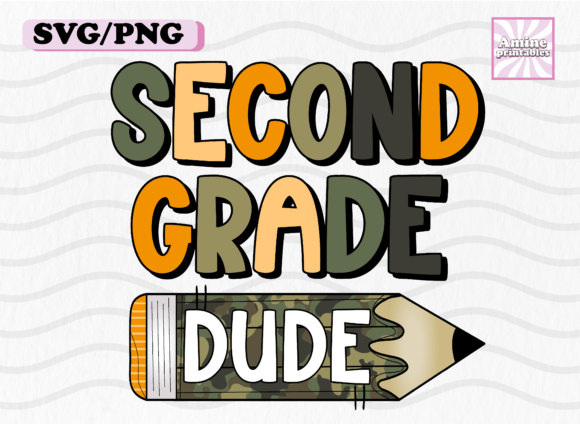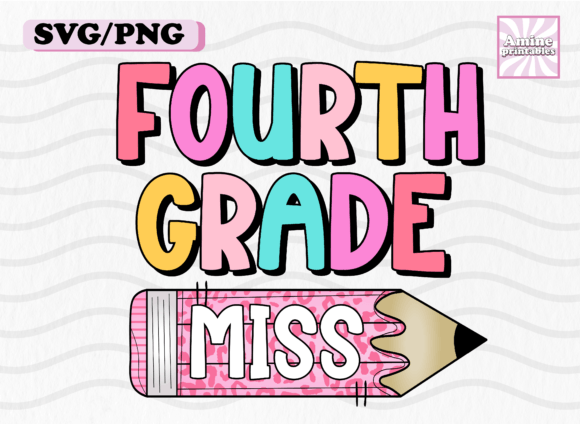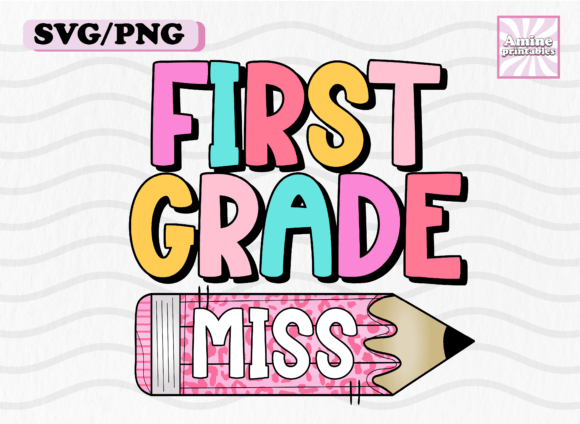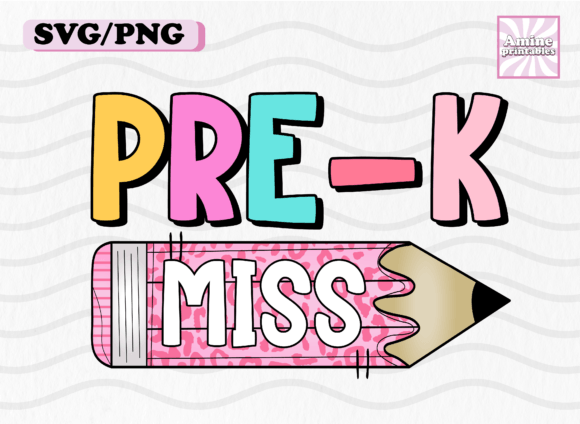
Fifth Grade School Dude Pencil Teacher Design Review
As a professional embroidery digitizer and product reviewer, I approach every new machine embroidery design with a critical eye toward production viability. When evaluating the Fifth Grade School Dude Pencil Teacher graphic, my immediate focus is not just on the aesthetic appeal of the artwork, but on how those digital lines will translate into physical thread. This design captures a specific nostalgic academic mood that resonates deeply with educators, parents, and alumni. However, moving from a digital graphic to a stitched finished product requires understanding the interplay between the art style and fabric mechanics. For Etsy sellers and craft business owners, this review breaks down exactly where this design shines and where you need to exercise caution during production.
Translating Graphic Personality Into Stitched Reality
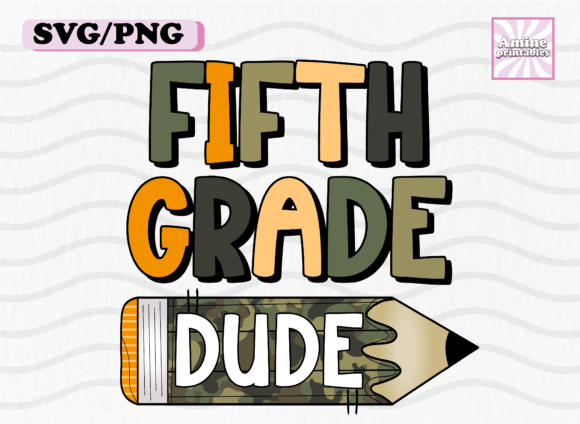
The first impression of the Fifth Grade School Dude Pencil Teacher design is one of structured whimsy. It balances the rigidity of school supplies with the playful "dude" persona, creating a visual tension that works exceptionally well for custom apparel. From a digitizing perspective, the pencil motif usually implies long, linear stitch paths. In real-world application, this means the design likely relies heavily on column stitches or specialized fill patterns to maintain straight edges without puckering. The typography associated with "Fifth Grade" suggests block lettering, which is generally safer for embroidery than script fonts because it maintains legibility at smaller sizes.
When I look at this asset, I see a strong candidate for sweatshirt embroidery and crewneck projects. The verticality of a pencil shape naturally complements the center chest placement on a hoodie or sweatshirt. Unlike wide, sprawling designs that can distort when the wearer moves their arms, a vertically oriented pencil graphic sits flat against the sternum area, reducing the risk of tunneling or fabric pull. For handmade product creators focusing on back-to-school merchandise or teacher appreciation gifts, this layout offers a professional silhouette that looks intentional rather than like a generic clip-art slap-on.
Real-World Application: The Canvas Tote Bag Test
To truly evaluate this design, I mentally placed it in a specific production scenario: creating a heavy-duty canvas tote bag design for a fifth-grade teacher gift set. Canvas is an unforgiving fabric; it is thick, textured, and prone to showing needle holes if the stitch density is too high. In this context, the Fifth Grade School Dude Pencil Teacher design serves as an excellent test case for stabilizer management.
If you are stitching this onto unlined canvas, the pencil’s outline must be crisp. A wandering edge here ruins the illusion of a sharp writing instrument. I would recommend using a medium-weight cutaway stabilizer rather than tear-away to prevent the rigid canvas from distorting the satin borders during the final trim. Furthermore, because tote bags are functional items subject to wear, the internal fill of the pencil should utilize a tatami or step fill rather than a dense satin to reduce bulk. A bulky design on a bag handle strap or front panel feels stiff and unappealing to the touch. By managing the density, you ensure the personalized gift remains soft and usable, increasing customer satisfaction and repeat business for your small shop product line.
Navigating Fabric Limitations and Hoop Constraints
While the Fifth Grade School Dude Pencil Teacher design is versatile, it demands respect for material limitations. Not every fabric is suitable for this level of detail. I advise extreme caution when attempting this design on stretchy performance fabrics or thin knits without proper backing. The vertical nature of pencil graphics creates a natural stress line; if the fabric stretches horizontally while the stitches remain static, you risk seam separation or fabric tearing around the design perimeter.
Hoop size selection is another critical variable. Before purchasing or stitching this digital embroidery file, you must verify the dimensions against your machine's capabilities. If the design includes intricate facial details on the "dude" character or small text reading "Fifth Grade," resizing down below 4 inches may result in lost definition. Small lettering often turns into illegible blobs when reduced excessively. Conversely, scaling up significantly can expose gaps in fill stitches if the original digitizing did not account for expansion. Always check the native size specifications provided by the creator before committing to a project.
For those considering this for caps or curved surfaces, proceed with testing first. Vertical designs can sometimes wrap awkwardly around the crown of a hat unless specifically digitized for cap framing. If the Fifth Grade School Dude Pencil Teacher file is a standard flat format, it may require distortion correction software to stitch out cleanly on a curved brim. Without this adjustment, the top and bottom of the pencil may appear pinched or stretched, compromising the professional look of your commercial embroidery output.
Visual Impact and Commercial Viability
In the competitive landscape of Crafts and Graphics, visual clarity drives sales. This design succeeds because it targets a specific niche identity. Fifth grade is a transitional year in education, and merchandise celebrating this milestone has high emotional value. When used on tumblers, mugs, or stickers (via sublimation or vinyl), the bold lines of the pencil graphic ensure readability from a distance. For embroidery specifically, the contrast between the pencil body and the background fabric is paramount.
I strongly recommend testing thread colors against your intended garment color before running a full production batch. A yellow pencil on a cream shirt lacks necessary contrast and will look washed out in photographs. Opt for high-contrast pairings, such as a bright yellow pencil on navy blue heather or charcoal grey. This ensures the design pops in printable mockup previews and listing photos, which directly influences buyer engagement. Remember that what looks vibrant on a screen may appear muted in thread; always rely on physical swatches or proven thread conversion charts.
Essential Pre-Production Checklist for Makers
Before listing any item featuring the Fifth Grade School Dude Pencil Teacher design, run through this practical verification list to protect your reputation and minimize waste:
- Verify Licensing: Confirm whether your purchase includes commercial rights for selling finished goods versus digital files. Never assume usage rights; check the specific terms attached to this embroidery file.
- Test on Scrap: Always stitch a sample on the exact fabric and stabilizer combination you plan to sell. Do not skip this step, even if you have stitched similar designs before.
- Check Registration: Inspect the alignment between the pencil outline and the internal fills. Misregistration makes a handmade product look amateurish.
- Evaluate Washability: If making baby items or kitchen towels, wash the test piece to ensure the stitch density holds up and the fabric doesn't pucker after laundering.
- Mockup Accuracy: Ensure your digital previews accurately represent the stitch texture. Avoid using flat vector images as mockups for embroidered products, as this misleads customers about the tactile quality.
Ultimately, the Fifth Grade School Dude Pencil Teacher design offers significant potential for creative entrepreneurs willing to apply technical best practices. It bridges the gap between novelty and nostalgia, making it a valuable asset for seasonal catalogs and personalized teacher gifts. By treating this graphic as a technical blueprint rather than just a pretty picture, you elevate your work from simple crafting to professional textile decoration. Whether you are creating an embroidered patch, a boutique sweatshirt, or a custom tote, success lies in respecting the relationship between the digital file and the physical medium. Be the first to get it, but more importantly, be the first to master its production nuances for superior results.