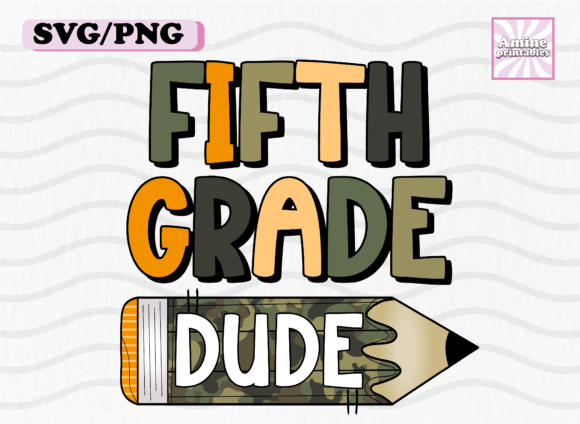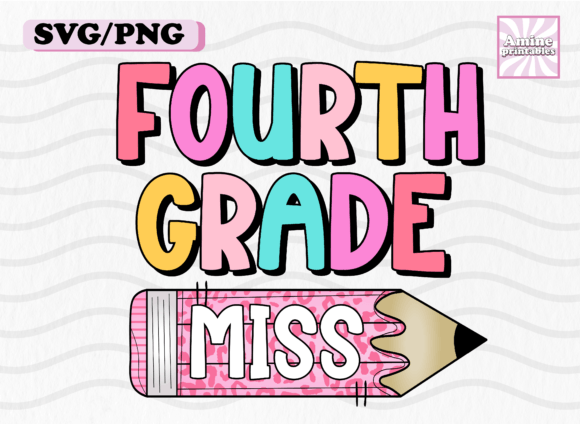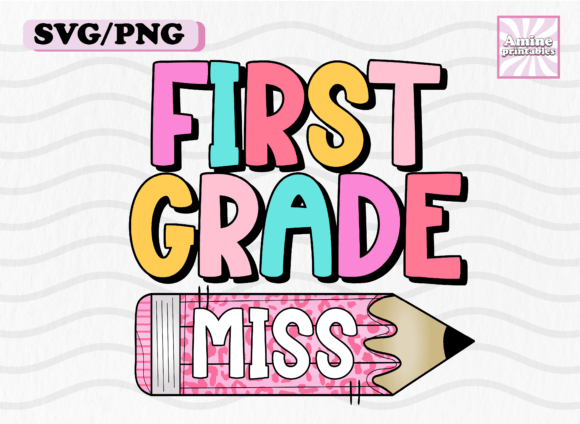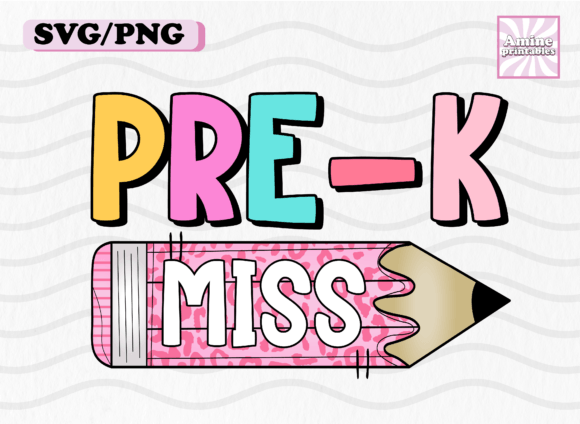
Second Grade School Dude Pencil Teacher Design Review
As a professional embroidery digitizer and product reviewer, I approach every new machine embroidery design with a critical eye toward production viability. When evaluating the Second Grade School Dude Pencil Teacher graphic, my immediate focus is not just on the aesthetic appeal of the artwork, but on how those lines and shapes will translate into physical thread. This design captures a specific, playful nostalgia that resonates deeply with educators and parents, but translating that visual personality into a successful handmade product requires understanding its structural integrity. The layout suggests a bold, graphic style typical of modern Crafts and Graphics, yet as an embroiderer, I need to verify if the detail level supports real-world application on varied textiles.
Translating Digital Art to Stitched Reality
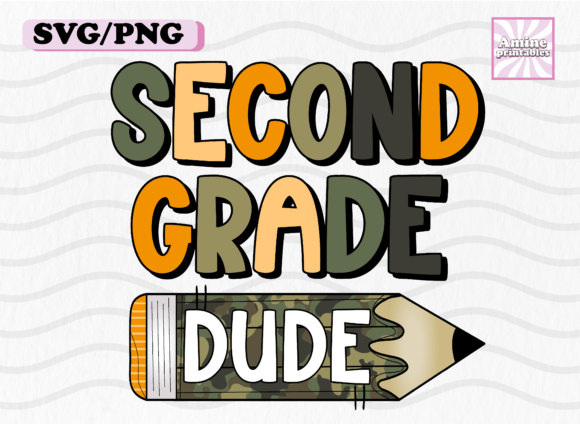
The first impression of Second Grade School Dude Pencil Teacher is one of cheerful clarity. The character-driven theme implies distinct color blocks and defined outlines, which are generally favorable for embroidery. However, when reviewing this as a potential embroidery file for commercial use, I look closely at the separation between elements. A "dude" pencil character often involves facial expressions and accessories that can become muddy if the stitch density is too high or the details are too minute. For this design to succeed as a sweatshirt embroidery project or a tote bag design, the digitizing must balance coverage with fabric drape. If the fill areas are overly dense, a lightweight t-shirt will pucker; if they are too sparse, the fabric texture might show through inappropriately. As a reviewer, I appreciate designs that respect the medium, and this theme demands a careful check of the underlay and top stitch interaction to ensure the pencil’s shape remains crisp after washing.
Real-World Application: The Teacher Appreciation Tote
To truly test the mettle of Second Grade School Dude Pencil Teacher, I envision a specific client scenario: creating a custom canvas tote bag for a second-grade teacher appreciation event. This is a classic personalized gift that sees heavy daily use. In this context, the design needs to hold up against friction, loading, and frequent laundering. Canvas is a forgiving substrate, but it is also textured. If the design relies heavily on tiny running stitch details for the character's face or text, those elements risk disappearing into the weave of the canvas. I would recommend verifying that the key features utilize a sturdy satin stitch border or adequate column width to stand out against the fabric texture. Furthermore, because tote bags are often unlined, the backside of the embroidery matters. A well-digitized version of this design should have clean jump stitches and minimal trims to prevent snagging on books or supplies inside the bag. This practical consideration separates a novelty item from a professional-grade finished product.
Navigating Fabric Limitations and Hoop Constraints
While Second Grade School Dude Pencil Teacher is marketed for a wide array of items including mugs and tumblers, my review focuses strictly on textile applications where stitch physics apply. Caution is required when adapting this design for stretchy knits or performance wear. Character designs with large solid fill areas can create a "bulletproof vest" effect on stretchy fabrics if the stitch density is not properly compensated. If you plan to use this for custom apparel like baby onesies or lightweight tees, you must confirm the design includes appropriate pull compensation. Additionally, consider the hoop size relative to the garment. Placing a large, dense character design near a seam or collar on a small child’s shirt can distort the fit. For baby embroidery, I always advise scaling down complex graphics or opting for an applique design variation if available, to reduce stitch count and maintain softness against sensitive skin. Always test on scrap fabric that matches your final project’s weight and stretch before committing to the final piece.
Commercial Viability for Etsy Sellers and Small Shops
For the Etsy seller or craft business owner, Second Grade School Dude Pencil Teacher represents a seasonal opportunity with high emotional value. However, buyer engagement depends on presentation and trust. When listing products featuring this design, your printable mockup should accurately reflect the stitched reality, not just the digital art. Customers need to see how the thread colors interact with the garment color. Does the pencil’s yellow pop against a navy sweatshirt, or does it get lost? As a reviewer, I emphasize the importance of testing thread colors against both light and dark backgrounds. High contrast ensures readability and visual impact in thumbnail images. Moreover, professionalism extends to licensing. Before adding this to your shop as a digital embroidery file or selling finished goods, rigorously confirm the commercial usage rights. Protecting your business means ensuring you have the legal right to monetize this specific design assets package. Transparency about what is included builds customer trust and reduces support tickets regarding compatibility or usage terms.
Technical Pre-Flight Checklist for Makers
Before stitching Second Grade School Dude Pencil Teacher for any paid order or personal keepsake, run through this practical evaluation list. These steps mitigate risk and ensure the embroidery project meets professional standards:
- Verify Stabilizer Pairing: Match the stabilizer to the fabric, not just the design. A tear-away may suffice for canvas totes, but a cut-away is likely mandatory for knit sweatshirts to prevent distortion of the character’s proportions.
- Inspect Small Text Legibility: If the design includes "Second Grade" or "Teacher" in small lettering, measure the height. Text under 4mm often requires specialized fonts or simplification to remain legible once stitched.
- Check Color Sequence Logic: Review the color change order. Efficient sequencing minimizes trims and speeds up production time, which directly impacts profit margins for commercial embroidery runs.
- Test Wash Durability: For items like aprons or kitchen towels that face harsh detergents, stitch a sample and wash it aggressively. Ensure the fill stitch areas do not gap or pull away from the outline after shrinkage.
- Evaluate Placement Options: Consider center chest versus left chest placement. A detailed character design often works better centered on a toddler’s shirt but might be too overwhelming as a pocket logo on an adult polo.
Final Thoughts on Design Versatility
Second Grade School Dude Pencil Teacher offers significant creative potential for the back-to-school and teacher appreciation markets. Its success as a holiday embroidery staple or year-round school merch item hinges entirely on execution. As designers and makers, we must look beyond the cute factor and assess the engineering beneath the surface. Whether you are producing embroidered patch sets, framing artwork, or decorating apparel, treat this design as a component of a larger system. Respect the limitations of your machine and materials, and this graphic can transform from a simple digital file into a cherished, durable token of appreciation. Always prioritize testing and quality control; your reputation as a maker depends on the longevity and finish of every stitch placed. By approaching this design with technical diligence and creative empathy, you ensure that the final result honors both the art and the recipient.