Retro Teacher of Smart Cookies: An Embroidery Review
When evaluating a new graphic for potential machine embroidery design projects, I always look beyond the screen. As designers and makers, we know that what looks vibrant in a digital preview must also translate into physical thread and fabric. The Retro Teacher of Smart Cookies graphic immediately catches the eye with its nostalgic charm and playful typography, but my primary concern as a reviewer is how this artwork performs when converted into stitches for real-world applications. Whether you are an Etsy seller planning a holiday collection or a hobbyist making a personalized gift for a favorite educator, understanding the practical behavior of this design is essential for a successful finished product.
First Impressions and Visual Personality
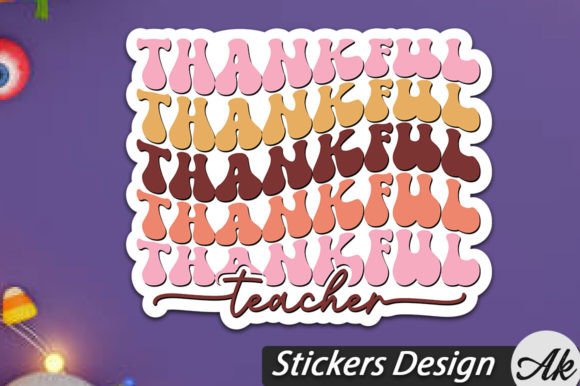
The initial appeal of Retro Teacher of Smart Cookies lies in its balanced composition. The retro aesthetic suggests a color palette rich in warm tones, muted primaries, or vintage pastels, which naturally lends itself to cozy textiles. From a graphics perspective, the layout appears centered and self-contained, making it an ideal candidate for chest placements on sweatshirts or centered motifs on tote bags. The phrase "Smart Cookies" offers excellent opportunities for textural contrast; the lettering can be rendered in satin stitch for crisp legibility, while illustrative elements like cookie shapes or retro borders could utilize fill stitch or applique design techniques to add dimension without excessive density.
For craft business owners, this theme hits a specific emotional note. It avoids being overly juvenile, maintaining a sophisticated nostalgia that appeals to adult buyers purchasing custom apparel or nursery decor. The visual personality feels handcrafted rather than mass-produced, which is crucial for establishing customer trust and perceived value in handmade products. When I assess this for commercial embroidery, I see strong potential for boutique branding because the style aligns perfectly with current market trends favoring vintage-inspired educational themes.
Real-World Application: Stitching a Custom Sweatshirt
To truly evaluate this asset, let’s consider a realistic scenario: creating a premium embroidered sweatshirt for a teacher appreciation gift or small shop merchandise. Sweatshirt embroidery requires careful planning because fleece fabrics have texture and stretch that can distort intricate details. In this context, Retro Teacher of Smart Cookies would likely serve as a 4x4 or 5x7 inch center chest design. The retro font weight appears substantial enough to hold up against the pile of French terry or heavyweight fleece, provided the digitizer uses adequate underlay and perhaps a topping stabilizer to prevent stitches from sinking.
If I were producing this as part of a holiday embroidery collection, I might pair the design with a matching embroidered patch on the sleeve or a coordinating tea towel. The versatility of the source files—specifically the 12x12 inch 300 DPI PNG and vector EPS options—allows for high-quality printable mockups before a single needle penetrates fabric. This is vital for digital product sellers who need to showcase the design accurately. However, for the physical sweatshirt, I would recommend testing the design on scrap fabric first. Fleece can hide running stitch details, so ensuring the outline weights are sufficient is key to maintaining clarity after washing.
Navigating Fabric Challenges and Hoop Sizes
While Retro Teacher of Smart Cookies is versatile, certain applications require caution. If you intend to use this as baby embroidery on thin cotton onesies, the stitch density becomes a critical factor. Heavy retro fills combined with dense satin lettering can create a stiff, bulletproof area that is uncomfortable for infants and may pucker lightweight knits. In such cases, simplifying the design or utilizing an applique design approach for larger color blocks can reduce stitch count and improve drape. Always confirm your hoop size compatibility before purchasing or digitizing; a design optimized for a 12x12 print area may need resizing or splitting for standard 4x4 embroidery machines.
Textured fabrics like linen tea towels or canvas tote bag designs generally handle this aesthetic well. The natural slubs in linen complement the retro vibe, and the fabric stability supports detailed satin stitches. Conversely, stretchy performance wear or dark fabrics present challenges. On dark garments, ensure the design includes adequate contrast or a light background element so the retro colors don't get lost. For curved surfaces like caps, the horizontal span of the text "Smart Cookies" must be evaluated; if the arc is too wide for a cap frame, the design will need reformatting to avoid distortion at the edges.
Technical Considerations for Professional Results
Achieving a professional finish with Retro Teacher of Smart Cookies depends heavily on proper stabilization and thread selection. Because the product description provides print-ready graphics rather than pre-digitized embroidery files, you or your digitizer must interpret the art into stitches. This is actually an advantage for experienced makers, as it allows you to customize stitch types for your specific project. For example, you might choose a textured fill stitch for the cookie elements to mimic baked goods, while keeping the teacher-related text in clean satin stitch for readability.
Thread colors should be selected based on the fabric background, not just the digital proof. Retro palettes often include mustard yellows, brick reds, and teal greens; verify these against your physical thread chart to ensure they don't clash with your base garment. When preparing for commercial embroidery or selling finished items, test the design in both black and white mockups to check value contrast. A design that relies solely on color differentiation may fail when stitched in monochrome or on low-contrast backgrounds. Additionally, inspect small details like facial features or tiny decorative accents; if they are smaller than 2mm, they may need to be enlarged or removed to prevent thread breaks and poor registration.
Commercial Viability and Product Value
For Etsy sellers and creative entrepreneurs, Retro Teacher of Smart Cookies represents more than just a cute graphic; it is a potential revenue driver across multiple categories. The design’s adaptability makes it suitable for personalized gifts, school spirit wear, and even kitchen decor like aprons and pillow covers. The inclusion of vector EPS and high-resolution PNG files means you can create cohesive product lines where the same artwork appears on both embroidered goods and printed sublimation mugs, reinforcing brand consistency.
However, professionalism dictates due diligence. Before listing any finished product or digital embroidery file derived from this graphic, you must confirm licensing terms. Ensure you have the right to sell physical embroidered items versus digital assets, as these permissions often differ. Customer trust is built on transparency and quality; delivering a puckered, poorly registered design damages your reputation far more than the cost of a test stitch-out. Use the provided PDF and PNG files to create accurate, honest listings that show what the buyer can realistically expect.
Ultimately, Retro Teacher of Smart Cookies succeeds because it balances aesthetic trendiness with functional versatility. It invites creativity while demanding technical respect. Whether you are stitching a heartfelt gift for a mentor or building a seasonal inventory for your handmade shop, approaching this design with thoughtful preparation ensures the final result honors both the art and the craft. By respecting fabric limitations, optimizing stitch structures, and validating your process through testing, you transform a digital graphic into a tangible, cherished object that celebrates educators with style and substance.